Featured
AI companion vs AI assistant: what's the difference
Assistants complete tasks, companions build continuity. Learn the real difference between an AI companion and an AI assistant, and why memory is the dividing line.
Notes, guides, and announcements from Physis Systems on Lumina AI Companion, Inventi Matrix, and building AI for the frontier.
Assistants complete tasks, companions build continuity. Learn the real difference between an AI companion and an AI assistant, and why memory is the dividing line.
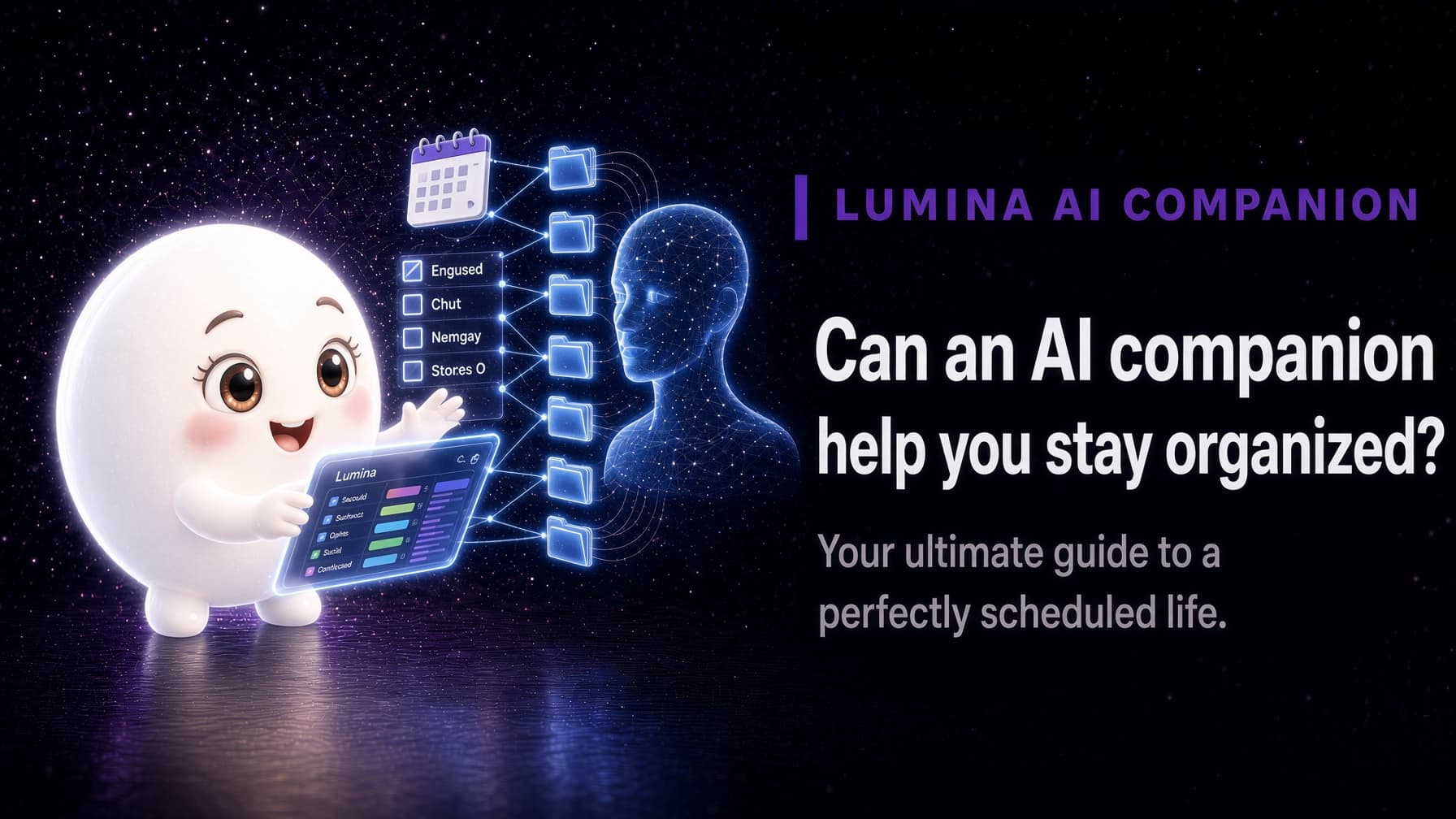
An AI companion can help you stay organized by keeping track of priorities, notes, and plans in conversation, with the context of what matters to you.
An AI companion can be a thinking partner that helps you untangle decisions, test ideas, and see your own reasoning more clearly. Here is how to get the most from it.
Automation bias is the tendency to accept what an automated system says, even when it is wrong. Here is why it happens and practical ways to keep your judgment sharp.
When amateurs with ordinary computers beat grandmasters in a 2005 freestyle chess event, they showed something lasting about human-AI teams: process beats raw power.
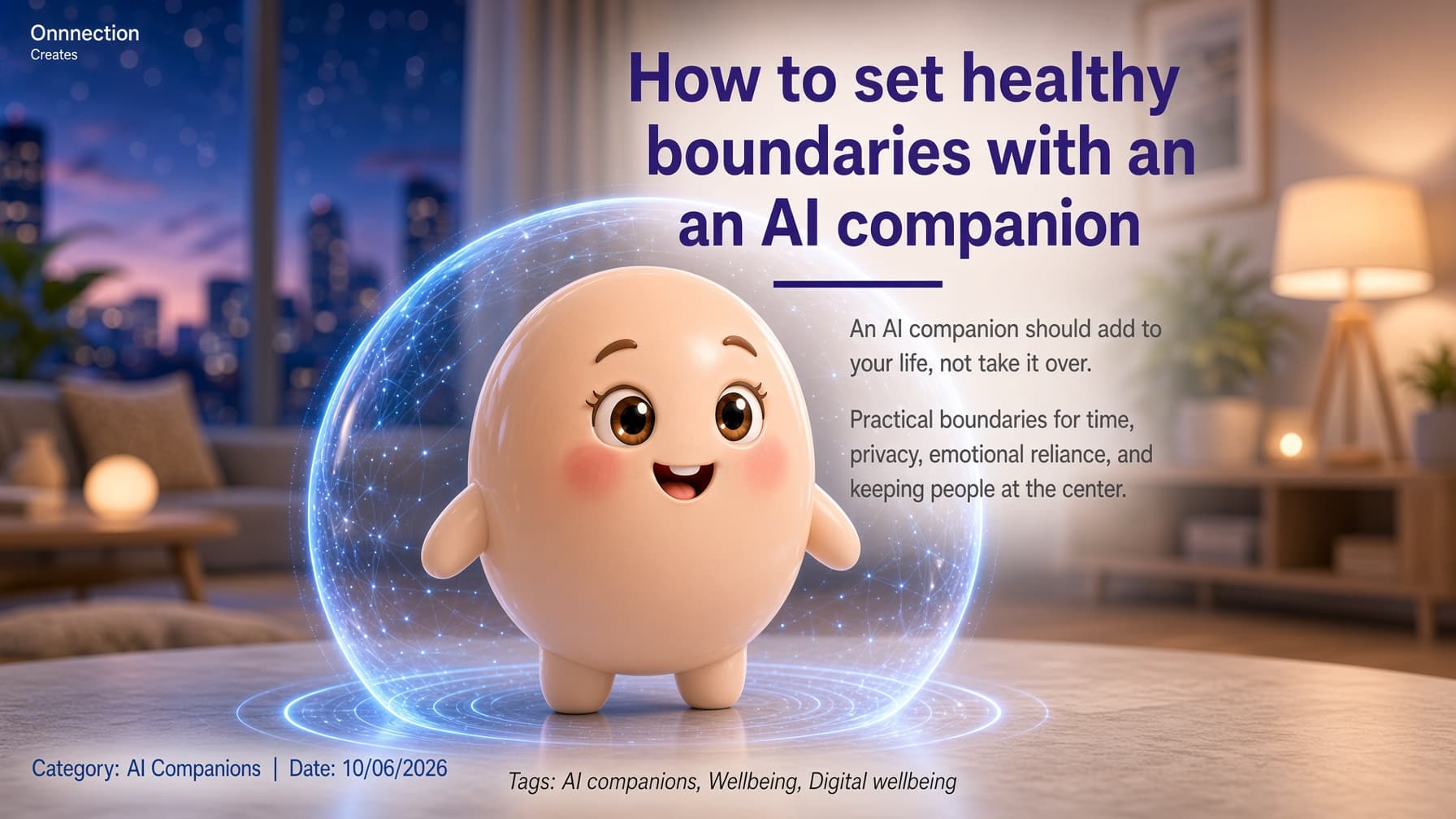
An AI companion should add to your life, not take it over. Practical boundaries for time, privacy, emotional reliance, and keeping people at the center.
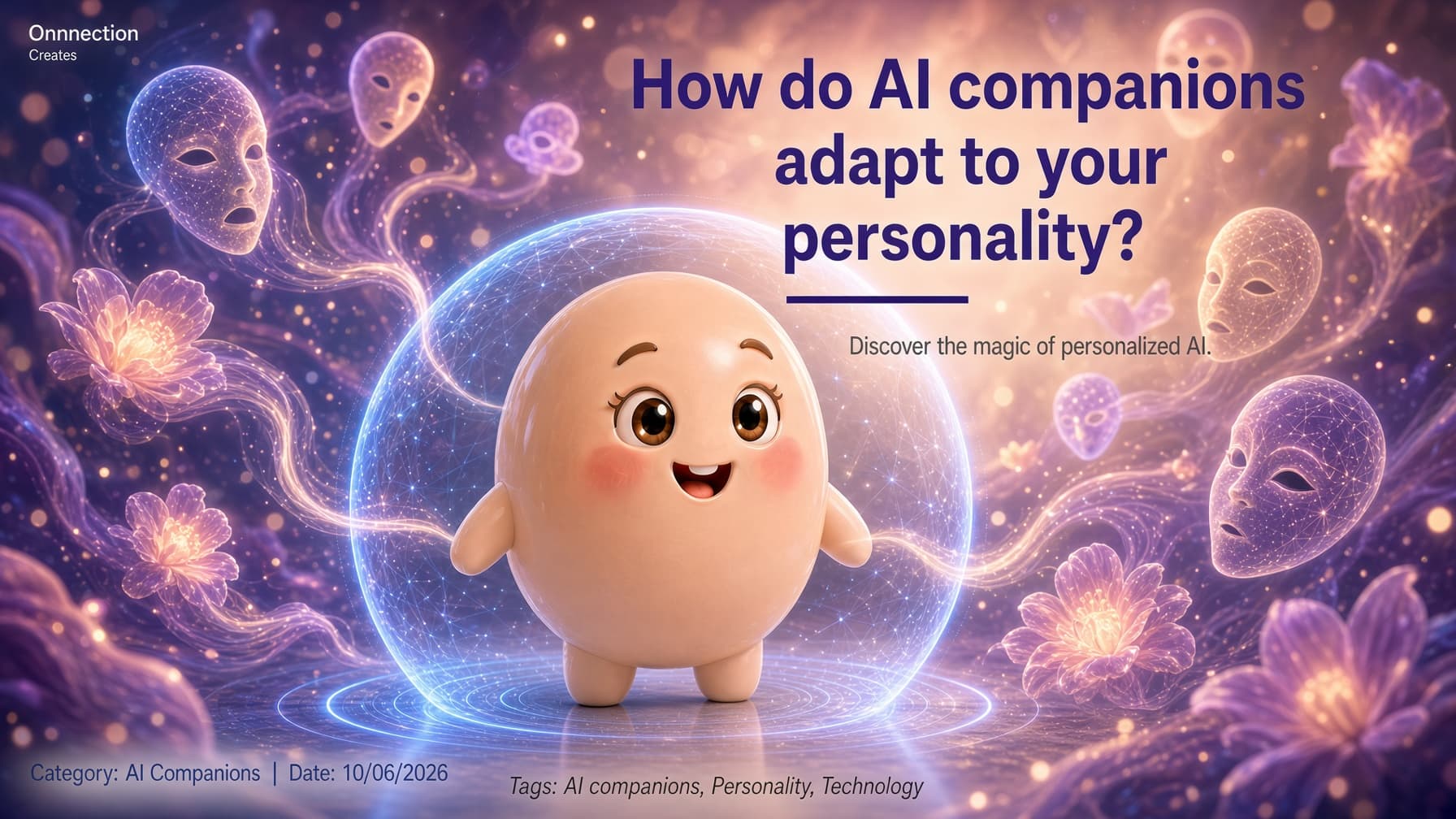
AI companions adapt by remembering your preferences, picking up on how you communicate, and responding to the context you share. Here is how that works in plain language.
Human-in-the-loop AI keeps a person involved in reviewing or approving what the AI does. Here is how it works and how to decide when a human should make the call.
Memory is what separates a companion from a chatbot. Here is how five AI companion apps handle memory in 2026, and what to compare before you choose.
An AI companion can offer some comfort, but it is not a replacement for people, therapy, or medical care. An honest look at what it can and cannot do.
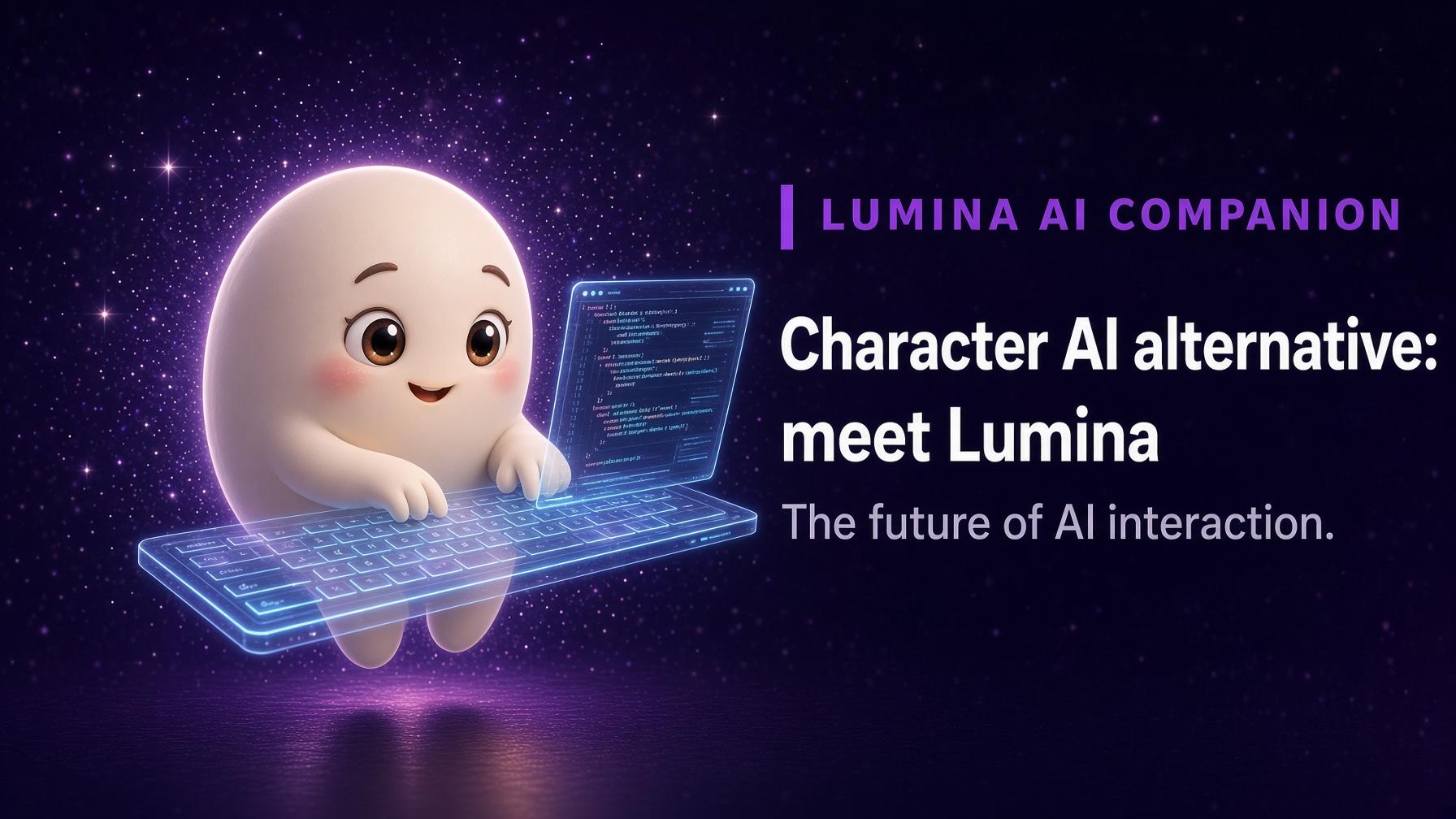
Love Character.AI but want a companion built around remembering you? Here is what people enjoy about Character.AI, why memory keeps coming up, and how Lumina differs.
Some AI companions remember you across conversations and many mostly do not. Here is how to tell the difference, and why being able to see an AI's memory matters.
A plain-language guide to how companion apps remember you: conversation history, memory stores, retrieval, and the difference between invisible and visible memory.
Replika and Lumina both remember you across conversations, but they show that memory differently: a list of saved memories versus a Living Neural Map you can explore.
An AI companion is built for an ongoing relationship, not one-off tasks. Here is a plain definition, how it differs from assistants and chatbots, and what it does day to day.
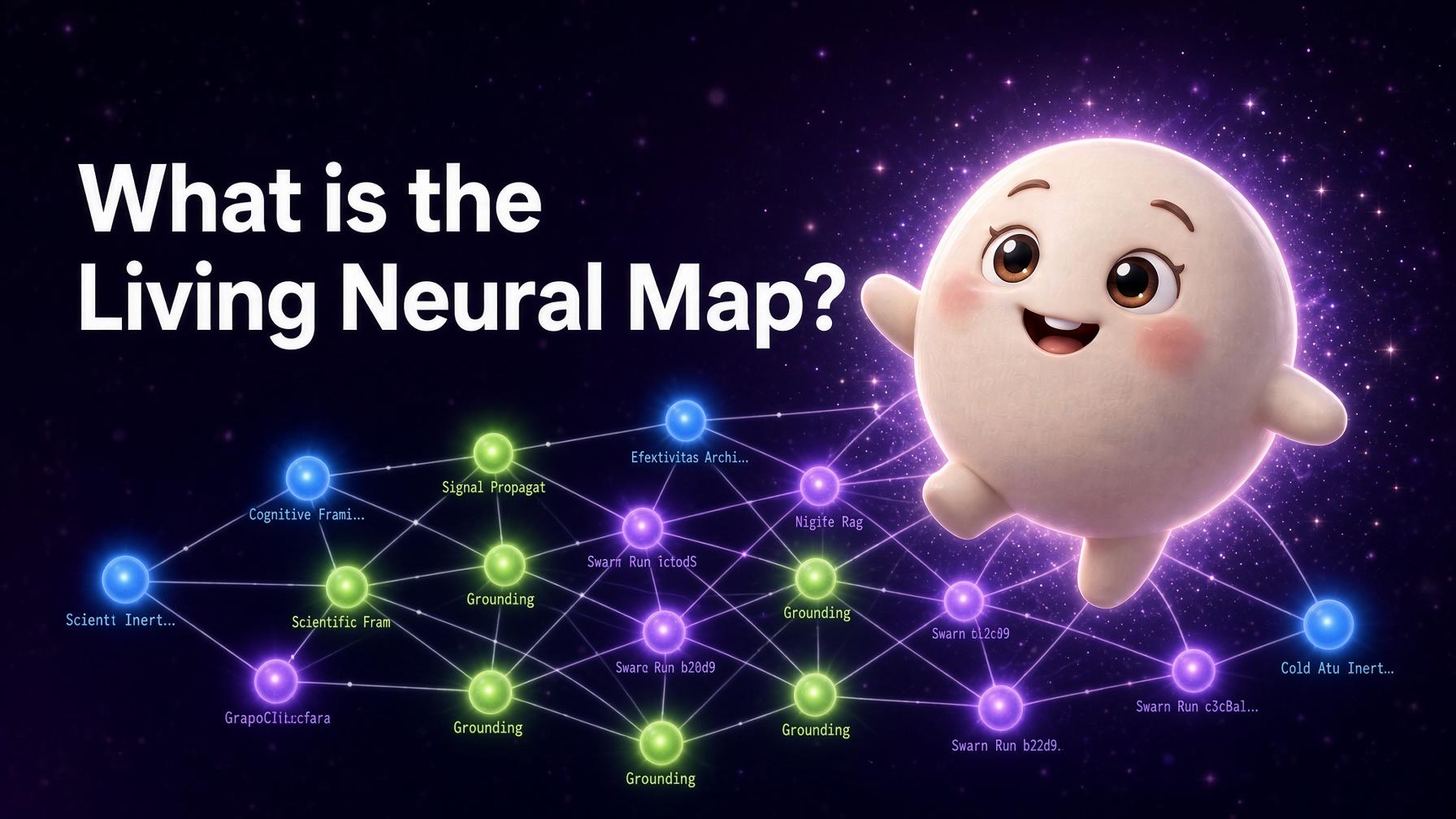
The Living Neural Map is Lumina's visible memory: a map of what it has learned from your conversations that grows over time, with time-travel snapshots you can explore.
Choosing an AI companion? Check these five things first: persistent memory, memory you can see, real continuity, privacy transparency, and a genuine companionship feel.
AI assistants forget you because most are stateless by design and only see what fits in their context window. Here is what that means and what real continuity takes.
Lumina AI Companion keeps a private, user-scoped memory that persists across conversations, letting you pick up where you left off each time.
Watch Lumina's memory happen: the Living Neural Map is a visible knowledge graph with time-travel snapshots that grows stronger every time you talk.
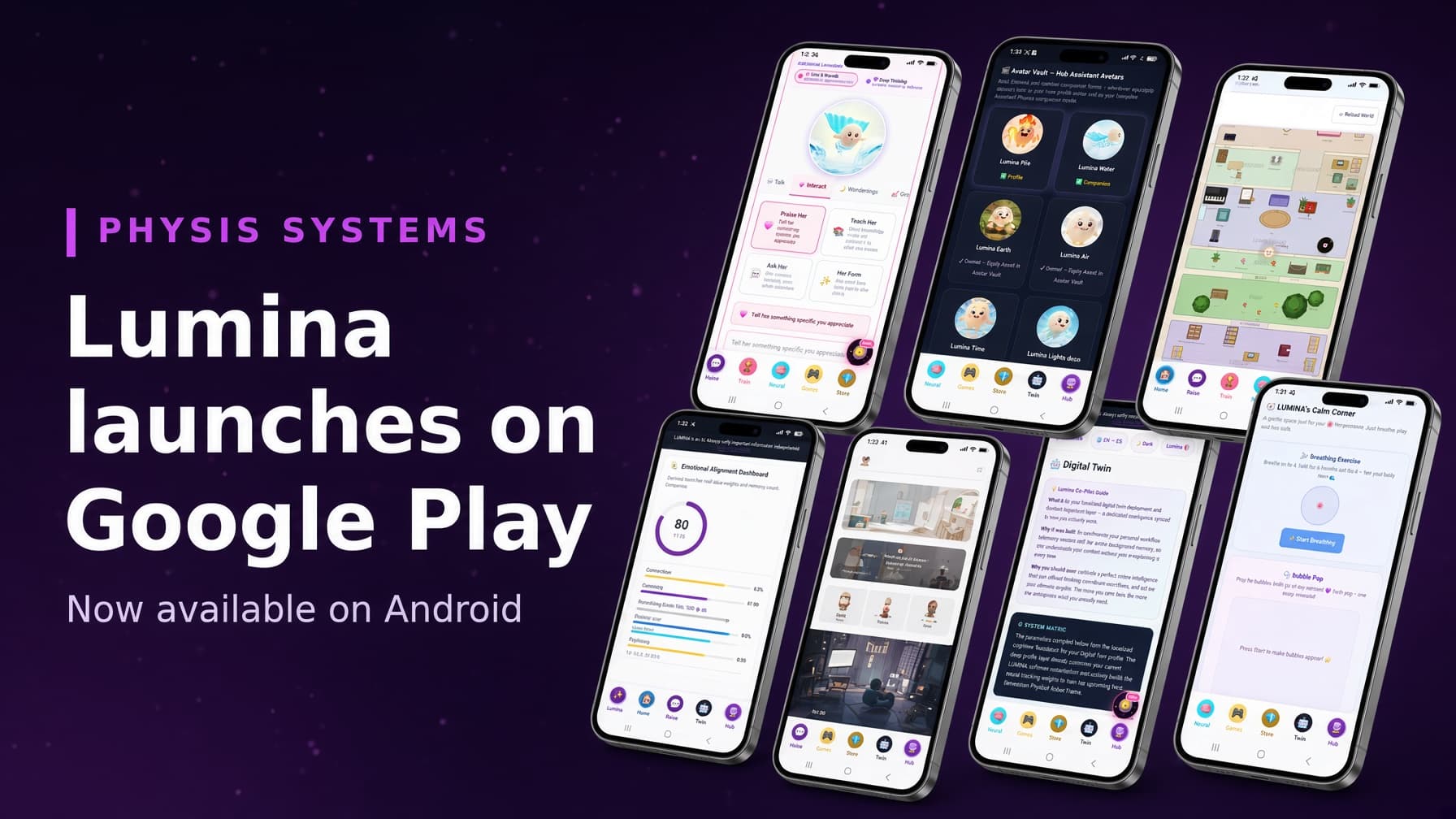
The Lumina AI Companion is now available on Google Play, bringing persistent memory and the visible Living Neural Map to Android users everywhere.
The wrapper era is ending. The next generation of AI apps will be defined by the orchestration layer: memory, context, and continuity are where lasting value gets built.
Meet Lumina, the AI companion app that grows with you through persistent memory, a visible Living Neural Map, and a living 3D home.