How do AI companions adapt to your personality?
AI companions adapt by remembering your preferences, picking up on how you communicate, and responding to the context you share. Here is how that works in plain language.
9 posts tagged #AI memory.
AI companions adapt by remembering your preferences, picking up on how you communicate, and responding to the context you share. Here is how that works in plain language.
Memory is what separates a companion from a chatbot. Here is how five AI companion apps handle memory in 2026, and what to compare before you choose.
Love Character.AI but want a companion built around remembering you? Here is what people enjoy about Character.AI, why memory keeps coming up, and how Lumina differs.
Some AI companions remember you across conversations and many mostly do not. Here is how to tell the difference, and why being able to see an AI's memory matters.
A plain-language guide to how companion apps remember you: conversation history, memory stores, retrieval, and the difference between invisible and visible memory.
Replika and Lumina both remember you across conversations, but they show that memory differently: a list of saved memories versus a Living Neural Map you can explore.
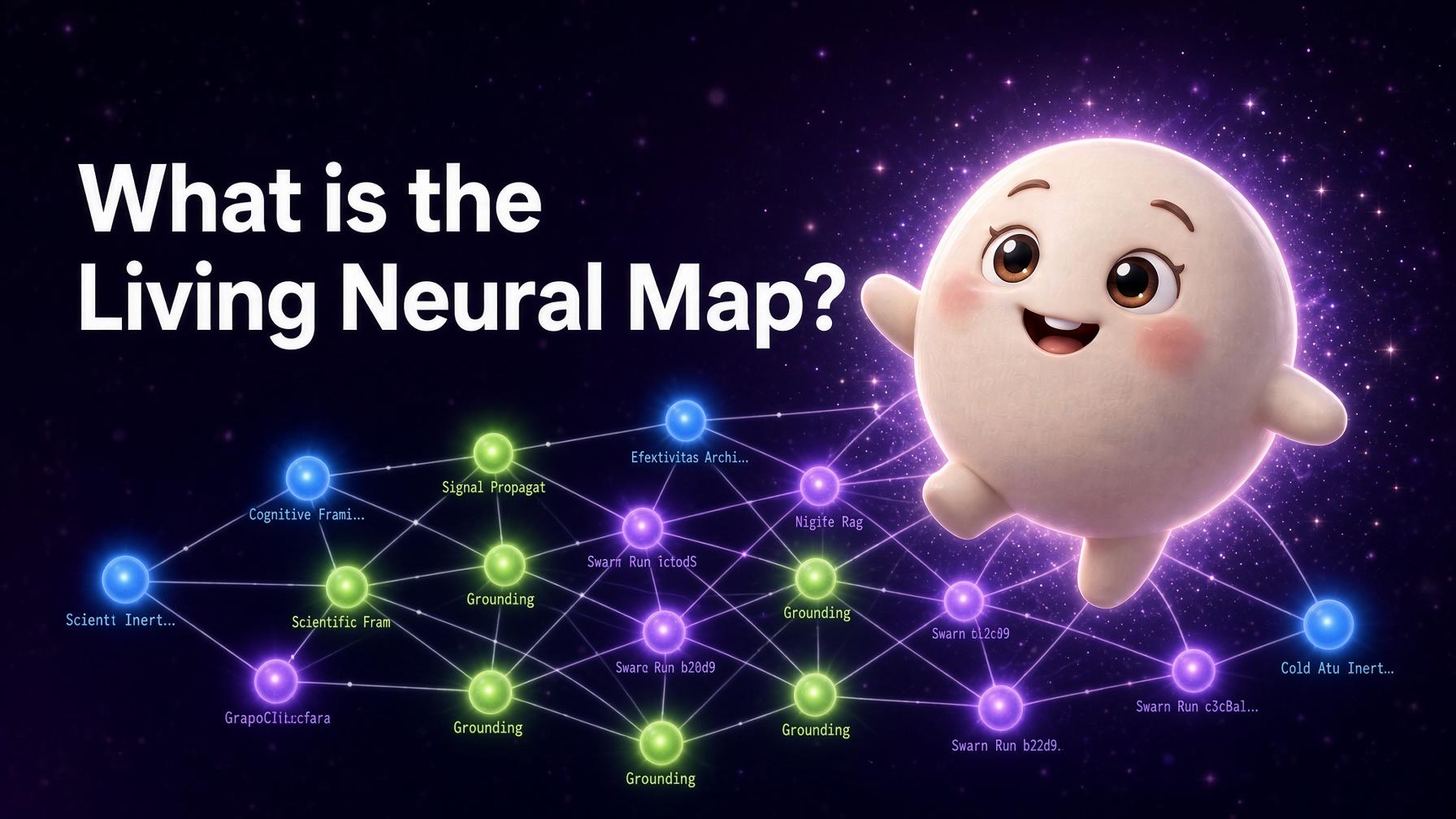
The Living Neural Map is Lumina's visible memory: a map of what it has learned from your conversations that grows over time, with time-travel snapshots you can explore.
Choosing an AI companion? Check these five things first: persistent memory, memory you can see, real continuity, privacy transparency, and a genuine companionship feel.
AI assistants forget you because most are stateless by design and only see what fits in their context window. Here is what that means and what real continuity takes.